

How much do fishing waders cost in Ireland?
Fishing wader costs in Ireland depend on the material, coverage and footwear design; compare the current product prices below before choosing a pair in 2026. Buy for the fishing you do, not simply the highest specification. Stockingfoot waders also need suitable separate wading boots, so the waders alone do not represent your complete setup.
- How much do waders cost? Compare current product prices below, then account for boots, layers and accessories.
- Kinetic Classic Wader Bootfoot suits anglers wanting PVC-coated nylon chest waders with integrated boots.
- Scierra Kenai and Pro Logic Max 50 XPO offer neoprene construction for anglers prioritising insulation.
- Kinetic X5 stockingfoot chest waders suit anglers prioritising breathable construction and separate wading boots.
Why this matters
A pair that suits short, occasional sessions is not automatically the right choice for walking between river pools. Equally, breathable fabric does not replace the insulation you need when standing in cold water.
Start with fit. Our guide to choosing the right size waders explains the checks to make before committing to a pair. Leave room for your fishing layers without accepting loose boots or a restrictive crotch. Extra features cannot correct a poor fit.
How much do fishing waders cost in Ireland?
There is no single useful figure for every type of fishing wader. For a 2026 purchase, compare current product prices alongside construction, coverage and the equipment you still need. The product cards below show individual prices; the table explains what separates those options.
A bootfoot design includes attached boots. A stockingfoot design ends in soft feet and requires suitable separate wading boots. That distinction belongs in your comparison before pockets, colour or camouflage.
| Product | Best for | Construction stated in the product details | Main benefit | Main trade-off |
|---|---|---|---|---|
| Kinetic Classic Wader Bootfoot | Anglers wanting integrated boots and coated nylon | Heavy-duty nylon coated with PVC | Combines chest coverage and attached footwear | Coated construction is less suited to managing perspiration than breathable fabric |
| Scierra Kenai Neo Chest Bootfoot | Anglers prioritising insulation | 4mm neoprene, taped material joints | Includes a fleece-lined handwarmer pocket | Insulating neoprene is a less comfortable choice for warm, active sessions |
| Pro Logic Max 50 XPO Neoprene Camo Chest Waders | Anglers wanting stretchable neoprene chest coverage | 4.5mm neoprene with glued, stitched and fully taped seams | Combines insulation with stretchable material | Extra insulation is not an advantage when you are already too warm |
| Kinetic X5 St. Foot Chest Waders | Anglers who walk between fishing spots | Breathable construction using 5 layers | Pairs breathable waders with separately chosen boots | You need suitable wading boots as part of the setup |
These are different constructions, not a ranking from worst to best. Choose the design that addresses your main need, then check its fit and current product information.
PVC-coated nylon: best for a straightforward bootfoot setup
Kinetic Classic Wader Bootfoot uses heavy-duty nylon coated with PVC. The attached boots keep the footwear and wader body together, which suits anglers who want a straightforward setup rather than separate boots and stockingfoot waders.
Choose Kinetic Classic Wader Bootfoot when integrated footwear matters more than breathable construction. Check the boot fit carefully. You need space for your intended socks without excessive heel movement when you walk.
The trade-off is moisture management. Waterproof coated fabric keeps outside water out, but perspiration still needs managing through your clothing and activity level. Do not assume damp clothing inside a wader always proves a leak.
For occasional sessions, start by asking whether this construction covers your needs. You do not need to move to a different material simply because it has more features.
Scierra Kenai: best for an insulated bootfoot design
Scierra Kenai Neo Chest Bootfoot uses 4mm neoprene. Its stated features include taped material joints, wide fastening shoulder straps, a fleece-lined handwarmer pocket and a splashproof zipped front pocket.
Choose Scierra Kenai Neo Chest Bootfoot when insulation and attached boots match your fishing. Neoprene is a practical material to consider for cold sessions where you spend more time standing than walking.
The limitation is the same feature that makes it useful: insulation. A warm, active approach walk calls for different clothing decisions from a stationary session in cold conditions. Avoid dressing for the coldest part of the day before a demanding walk.
Also distinguish splashproof storage from waterproof storage. Keep anything that must stay dry in suitable waterproof protection rather than relying on the front pocket alone.
Pro Logic Max 50 XPO: best for stretchable neoprene construction
Pro Logic Max 50 XPO Neoprene Camo Chest Waders use 4.5mm neoprene. The product details specify stretchability and seams that are glued, stitched and fully taped.
For a 2026 comparison, those are useful construction details to examine. They do not remove the need to check body length, foot fit and movement with your normal fishing clothes underneath.
Choose Pro Logic Max 50 XPO when stretchable neoprene suits your cold-weather setup. Compare its fit with other neoprene designs rather than deciding from thickness alone.
The limitation is that fabric thickness does not provide a complete warmth rating. Your layers, activity and conditions still matter. Camouflage is also a finish, not evidence of better waterproofing, comfort or service life.
Kinetic X5 stockingfoot: best for breathable construction
Kinetic X5 St. Foot Chest Waders use breathable construction made with 5 layers. Stockingfoot feet let you choose separate wading boots rather than accepting the boot attached to a bootfoot design.
Choose Kinetic X5 St. Foot Chest Waders when breathable fabric and a separate boot choice are priorities. This combination suits anglers who move between fishing spots and want to choose their footwear separately.
The extra requirement is footwear. Check that your chosen wading boots accommodate the stockingfoot material and the socks you intend to wear. Your everyday shoe size alone is not enough to confirm that fit.
Breathable also does not mean insulated. Plan the clothing underneath for your conditions, and do not interpret a multilayer fabric description as a promise that you can dispense with warm layers.
Compare the current product prices
We offer fishing waders in different materials and footwear designs, so match the construction to your sessions before choosing. Check the current product details and size guidance for the pair you are considering; a familiar shoe size does not settle the whole fit.


Why fishing wader costs vary
Compare the following features when deciding what your money needs to cover. A feature is useful only when it serves your fishing.
- Material: PVC-coated nylon, neoprene and breathable fabric solve different comfort and protection needs. Choose for your activity and conditions.
- Footwear design: Bootfoot waders include attached boots. Stockingfoot waders require separate suitable boots, so compare complete setups.
- Coverage: Thigh, waist and chest designs cover different areas. More coverage does not make deeper or faster water safe.
- Construction: Compare stated seam treatments, fabric layers and reinforcement. Do not assume every model from the same manufacturer uses the same construction.
- Useful features: Adjustable straps, handwarmer pockets and storage arrangements affect convenience. Check whether those features address something you actually need.
A thicker fabric or additional pocket does not prove longer service life. Fit, abrasion, care and the conditions of use also affect how a pair performs over time.
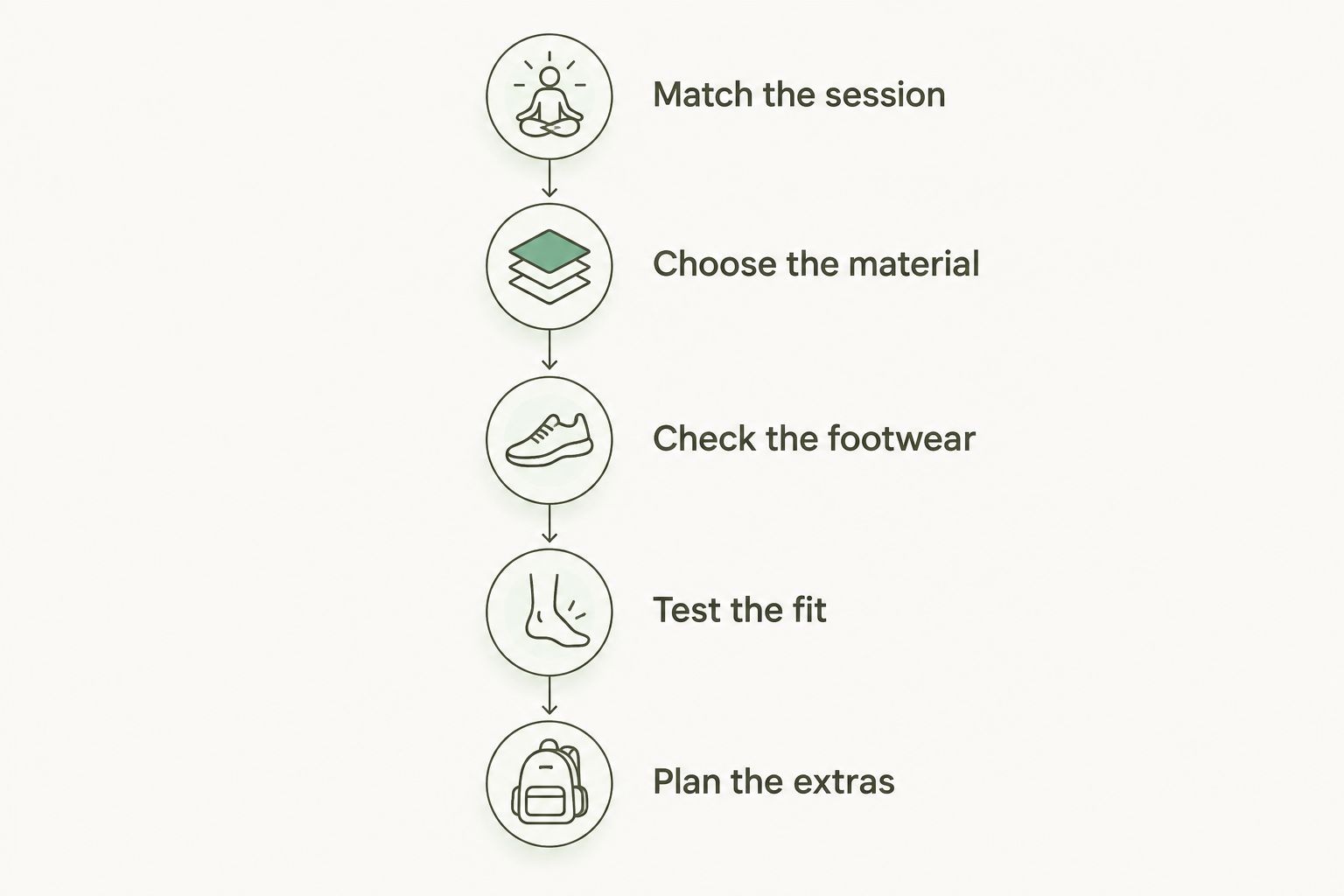
How to choose your wader setup before buying
Use this sequence for a 2026 purchase. It keeps the decision focused on your sessions rather than on isolated features.
- Match the session. Decide whether you mainly stand in cold conditions, walk between spots or make occasional short visits. Start with your usual fishing, not an exceptional trip.
- Choose the material. Compare insulating neoprene, waterproof coated fabric and breathable construction against that activity. No material is the right answer for every session.
- Check the footwear. Decide between attached boots and separate wading boots. Include everything needed to make the chosen design usable.
- Test the fit. Wear your intended socks and layers. Bend your knees, lift each leg and sit down; the waders should allow those movements without pulling tightly across the seams.
- Plan the extras. Check the belt arrangement, weather protection and safe access to the water. Keep essential dry items protected separately.
The order matters. Selecting accessories before confirming the material and fit makes it easier to build a setup around the wrong pair.
What else belongs in your wading budget?
Separate essential equipment from optional convenience features. Stockingfoot waders need suitable wading boots; either design also needs socks and clothing that fit comfortably without restricting movement.
Check whether a suitable belt is included and how it adjusts over your layers. Our guide to wading belts for river fishing explains that part of the setup. A belt does not replace safe water judgement or appropriate flotation equipment.
Also consider what you already own. A usable waterproof jacket, suitable layers and properly fitting footwear should shape your decision, rather than being replaced automatically.
Compare the complete usable setup, not the wader alone. That is especially important when one option includes boots and another does not.
Are neoprene waders better than breathable waders?
Neoprene waders are better suited to prioritising insulation; breathable waders suit anglers prioritising moisture management during activity. Neither construction wins for every fishing session.
Choose neoprene for its insulating role, not simply because the fabric feels substantial. Choose breathable construction with an appropriate layering plan, not because you expect the fabric itself to keep you warm.
Do stockingfoot waders include wading boots?
Stockingfoot waders do not provide the separate protective wading boots needed over their soft feet. Confirm the complete equipment list before comparing them with bootfoot waders.
Check the boot manufacturer's sizing guidance and try the combination together where possible. A comfortable wader body cannot compensate for boots that compress the feet.
Should beginners choose chest or thigh waders?
Beginners should choose coverage for the places they intend to fish, without treating extra height as permission to enter deeper water. Chest waders cover more of the body, while thigh waders leave the upper legs and torso less enclosed.
Fit and safe access come first. If a fishing spot requires conditions beyond your experience, a taller wader is not the solution.
FAQ
How much do waders cost in Ireland?
Compare the current individual prices in the product cards above, then account for any separate boots and clothing you need. Material, coverage, seam construction and footwear design all affect the comparison.
What's the best type of wader for a beginner?
The best type matches your usual fishing conditions and fits properly over your layers. Bootfoot designs include attached boots, while stockingfoot designs need suitable separate wading boots.
Are breathable waders warm enough for cold water?
Breathable waders need suitable insulating layers for cold conditions. Breathability describes moisture management, not a complete warmth rating.
Is thicker neoprene always better?
Thicker neoprene is not automatically better for your fishing. Compare insulation needs with fit, freedom of movement and how active you will be.
Can I wear stockingfoot waders without wading boots?
Stockingfoot waders need suitable protective wading boots rather than being used as standalone footwear. Check that the boot accommodates the stockingfoot material and your intended socks.
Should I buy waders larger than my normal size?
Use the manufacturer's measurements rather than automatically buying a larger size. Check body length, chest room, leg movement and foot fit with your fishing clothes on.
Does dampness inside waders always mean a leak?
Dampness inside waders does not always mean a leak because perspiration also adds moisture. Check where the dampness occurs and inspect the fabric and seams before deciding what needs repair.
One last thing
Before buying fishing waders in 2026, try a high step rather than just standing upright. Lift your knee as though stepping onto a bank, then crouch gently while wearing your intended layers.
A pair that fits standing still can still restrict you when moving. Check for pulling at the crotch, knees and shoulders, and confirm that the feet stay comfortable. Make that movement check part of your decision, not something you discover on your first outing.