

How much does a good hunting jacket cost in Ireland?
A good field jacket in Ireland has no single useful price: a waterproof shell, a softshell and an insulated layer do different jobs. For your 2026 purchase, compare the current product prices below against the protection you need, and allow for any separate warm layer or rain shell your choice requires.
- Fort Airflex is the waterproof-shell option; check insulation separately before choosing it for cold Irish days.
- Ridgeline Ranger 24 is a water-resistant softshell, not a stated substitute for a fully waterproof shell.
- Savage Gear Waterproof Performance Jacket states a 10,000 mm waterproof rating and includes a detachable hood.
- Verney Carron Wolf states a waterproof breathable membrane and 380 g/m² polyester fabric; check its complete construction.
Why this matters
Buy for the weather and your activity, not the jacket's appearance. A warm jacket and a waterproof jacket are not automatically the same thing. That distinction matters when you walk into a location, then spend time standing still in Irish rain and wind.
Start with the job. Our guide to waterproof jackets for hillwalking in Ireland covers the rain-shell side of that decision. For field use, add checks for unrestricted movement, practical pockets and enough room for your usual layers.
How much does a good field jacket cost in Ireland?
Use the current prices in the product cards rather than treating every outdoor jacket as part of the same price bracket. The meaningful comparison is between jackets that meet the same requirement. A softshell that suits active walking is not a like-for-like replacement for a waterproof shell worn over insulation.
For a 2026 shortlist, these options show why the label matters more than a simple low-to-high price order. Each has a different stated construction or feature set. None should be selected on price alone.
| Jacket | Best for | Stated features | Main limitation to check |
|---|---|---|---|
| Fort Airflex Breathable PU Waterproof Jacket | Buyers prioritising a waterproof outer layer | Breathable PU tricot fabric, concealed hood, studded double storm flap | Do not assume the shell supplies cold-weather insulation |
| Ridgeline Men's Ranger 24 Jacket | Buyers looking for a water- and wind-resistant softshell | Softshell construction with stated water and wind resistance | Water resistance is not the same claim as full waterproofing |
| Savage Gear Waterproof Performance Jacket | Buyers wanting a stated waterproof rating | PU-coated nylon Taslon, 10,000 mm waterproof rating, detachable hood, soft mesh lining | Check warmth separately; mesh lining is not an insulation specification |
| Verney Carron ProHunt Zipped Jacket Wolf, Camo Wet | Buyers comparing membrane-equipped field jackets | Waterproof breathable polyurethane membrane; 100% polyester, 380 g/m² fabric | Fabric weight does not establish the finished jacket's warmth or total weight |
We recommend matching field jackets to rain protection, movement and layering before comparing prices. That gives you a reason to spend more—or a clear reason not to.
What does the jacket price leave out?
Check whether your chosen jacket is the complete outer layer you need or only part of a clothing system. A softshell can still leave you needing a waterproof shell. A rain shell can leave you needing insulation underneath.
Care also belongs in the decision. Read the washing and treatment instructions before buying, especially if you want something straightforward to maintain after muddy outings. Do not assume every membrane, coating and lining uses the same care routine.
Waterproof shells: best for a rain-first shortlist
A waterproof shell puts rain protection first. For wet-weather field use in Ireland, examine the hood, front closure, cuffs and hem as carefully as the fabric description. Water protection depends on the garment's construction, not just the word waterproof in its name.
Fort Airflex Breathable PU Waterproof Jacket states breathable PU tricot fabric, a concealed hood and a studded double storm flap. Those are concrete features you can compare. Check the complete specification for fit, seams and intended use before deciding it covers your needs.
Savage Gear Waterproof Performance Jacket states a 10,000 mm waterproof rating, PU-coated nylon Taslon fabric and a detachable hood. Its soft mesh lining is also specified. That gives you more construction detail to assess, but it does not establish an insulation level or guarantee comfort during every activity.
A waterproof rating describes resistance to water pressure under a test. It does not tell you whether a hood turns with your head or whether a cuff fits comfortably over your gloves. Make those separate checks.
Softshells: best for movement-focused use
Choose a softshell when its stated protection matches the conditions you intend to use it in. Do not turn a water-resistance claim into a waterproof claim. That is the main distinction to keep clear when comparing a softshell with a rain shell.
Ridgeline Men's Ranger 24 Jacket is described as a softshell with water and wind resistance. Its role in your kit should follow that description. If reliable rain protection is essential, check whether you also need a separate waterproof outer layer.
Try the softshell over the clothing you actually wear. Reach forward, bend your elbows and sit down. A comfortable standing fit is not enough if the shoulders tighten or the hem lifts during ordinary movement.
Choose the Ridgeline Men's Ranger 24 Jacket for its stated softshell role, not as an assumed replacement for full waterproof protection. That keeps the comparison honest.
Membrane jackets: best for buyers checking complete construction
Verney Carron ProHunt Zipped Jacket Wolf, Camo Wet states a waterproof breathable polyurethane membrane. Its description also identifies 100% polyester fabric at 380 g/m². These are useful material details, but they answer different questions.
The 380 g/m² figure is fabric mass per unit area. It is not the weight of the finished jacket. It also does not tell you how warm you will feel, because warmth depends on the complete construction, your layers and your activity.
Check seams, closures, hood details and fit alongside the membrane description. A membrane claim alone does not describe every route through which rain can enter a garment. Avoid filling gaps in a specification with assumptions.
Why jacket costs vary
For your 2026 comparison, separate features that solve a real problem from features you will rarely use. These differences help explain why otherwise similar-looking jackets are not interchangeable:
- Weather protection: The examples above include water-resistant softshell construction, waterproof PU fabric and membrane-equipped fabric. Compare equivalent claims.
- Fabric construction: Coated nylon, PU tricot and polyester fabric are different specifications. Read the complete garment description rather than judging the material name alone.
- Hood design: A concealed hood and a detachable hood offer different arrangements. Check which design works with your usual headwear.
- Front closures: A storm flap is a stated feature on Fort Airflex. Check how any jacket protects its front opening rather than assuming every zip is constructed alike.
- Lining and layering: A mesh lining, insulation and room for a separate warm layer serve different purposes. Decide which you need.
- Activity fit: A jacket must allow the movements your outing requires. An unsuitable cut is poor value regardless of its other features.
These are buying criteria, not a formula for estimating a price. Compare current product prices only after you have narrowed the list to jackets that meet your requirements.
Check the fit before choosing a jacket
Use the same process for every jacket on your 2026 shortlist. Keep your intended activity in mind, and test the garment with the layers and accessories you expect to wear.
- Set the use. Decide whether the main job is rain protection, active movement or warmth while stationary. Write down the requirement you will not compromise on.
- Read the specification. Identify the actual waterproof or water-resistant claim. Check the lining, hood and closure details separately.
- Add your layers. Wear your usual base layer and fleece when assessing room. Do not automatically size up without checking the manufacturer's measurements.
- Test movement. Reach forward, lift your arms and sit down. Check shoulder tension, sleeve coverage and whether the hem rides up.
- Check openings. Adjust the hood and cuffs, then operate the front closure. Confirm that you can use them with the accessories you normally wear.
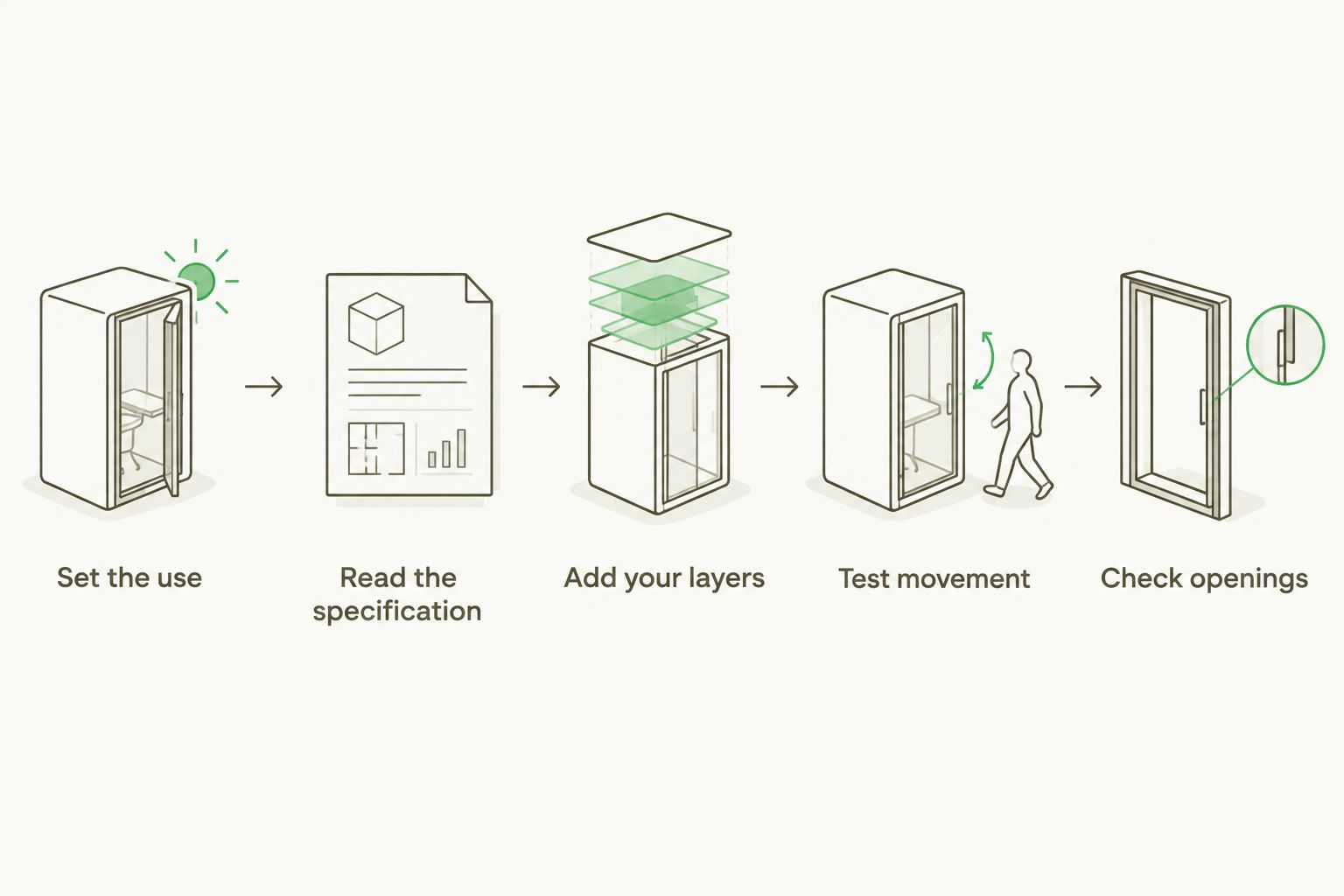
Do not keep a jacket on the shortlist because one feature looks impressive. If it fails your essential requirement, remove it. That is a more useful buying rule than choosing the most expensive option you can afford.
Current product prices
The jackets below match the construction types discussed above. Use their current product prices alongside the comparison table, then check the full description and sizing before choosing. A lower price is only better value when the jacket still does the job.


Is surplus clothing a fair comparison?
Compare a surplus jacket with a modern outdoor jacket on condition, fit and documented protection—not on its origin. The question of army surplus versus outdoor brands only becomes meaningful when both garments are assessed against the same job. A familiar style or substantial fabric does not establish waterproof performance.
For a used garment, inspect closures, seams, cuffs and any visible coating or lining. Ask for the care instructions and the exact model specification. If you cannot establish a feature that your outing requires, do not treat that feature as included.
Apply the same discipline to a new jacket. A product name does not replace a specification, and a long feature list does not fix poor fit. Judge both options by what you can verify.
Should you buy insulation or a separate warm layer?
Choose insulation around how you spend the day. Walking and standing still place different demands on your clothing, so plan for both rather than choosing a jacket solely by how warm it feels indoors.
A separate warm layer lets you adjust your clothing without changing the rain shell. The trade-off is that you must check the fit of the combined layers and carry anything you remove. An insulated outer jacket combines functions, but you still need to verify its weather protection separately.
For a 2026 purchase, try your intended combination together before deciding. Close the jacket fully and move normally. If the layers bunch at the shoulders or restrict your elbows, change the combination rather than accepting the restriction.
Can you spend less without choosing the wrong jacket?
Spend less by removing unnecessary features, not essential protection. If you already have suitable insulation, focus on an outer layer that fits over it. If your main need is movement in conditions suited to a softshell, compare softshells rather than paying for an unrelated specification.
Keep the decision practical. List your essential features, compare the documented details and reject unsuitable fits. Only then use price to choose between the remaining options.
FAQ
How much should I budget for a good field jacket in Ireland?
Base your budget on the jacket type you need and the current product prices shown above. Include any separate insulation or waterproof shell needed to complete your clothing system.
Is a water-resistant jacket the same as a waterproof jacket?
No. Water-resistant and waterproof are different claims, so do not treat the Ridgeline Ranger 24 softshell description as a full waterproof-shell specification.
What waterproof rating does the Savage Gear Waterproof Performance Jacket state?
The Savage Gear Waterproof Performance Jacket states a 10,000 mm waterproof rating. Check its complete construction and fit as well; a fabric rating does not describe hood adjustment or insulation.
Does 380 g/m² tell me how heavy the Verney Carron Wolf jacket is?
No. The 380 g/m² figure describes fabric mass per unit area, not the finished jacket's total weight or its warmth.
Is Fort Airflex suitable as my warm layer?
Do not assume Fort Airflex supplies insulation. Its stated features describe a waterproof outer garment, including PU tricot fabric, a concealed hood and a studded double storm flap.
Should I buy a larger jacket to fit a fleece underneath?
Choose the size using the manufacturer's measurements and test it with your intended fleece. Automatically sizing up can leave the shoulders, sleeves or hood fitting poorly.
Is an expensive field jacket always better for Irish weather?
No. The better choice is the jacket whose documented weather protection, fit and layering space meet your needs. Price alone does not establish those qualities.
One last thing
Test the jacket sitting down. A hem that feels generous when standing can lift when you sit, while pockets that are easy to reach upright can become awkward. Check the position you actually spend time in before making your final choice.